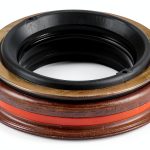
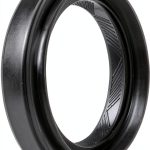

Description
Product Overview
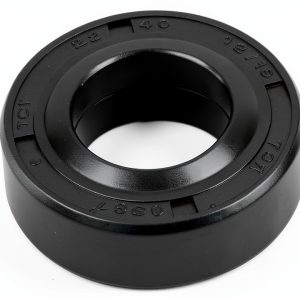
National’s Nitrile axle shaft seal is engineered to deliver dependable sealing performance for a broad spectrum of automotive applications. Housed in a compact 14 ml bottle, the liquid sealant combines the resilience of nitrile rubber with a spring‑loaded, multi‑lip configuration that expands to fill gaps and maintain a tight barrier against fluid leakage. The formulation is specifically calibrated to operate across an extensive temperature range, from –40 °F up to 225 °F, ensuring consistent elasticity and low‑swell characteristics even when exposed to aggressive hydrocarbon fluids. Each unit is supplied with clear labeling that includes the model number 710101, UPC identifiers, and a concise set of usage instructions, making it straightforward for both professional mechanics and DIY enthusiasts to identify and apply the product correctly. The seal’s low viscosity enables easy application through standard dispensing tools, while its rapid cure time reduces vehicle downtime, allowing technicians to complete repairs efficiently without compromising on long‑term durability.
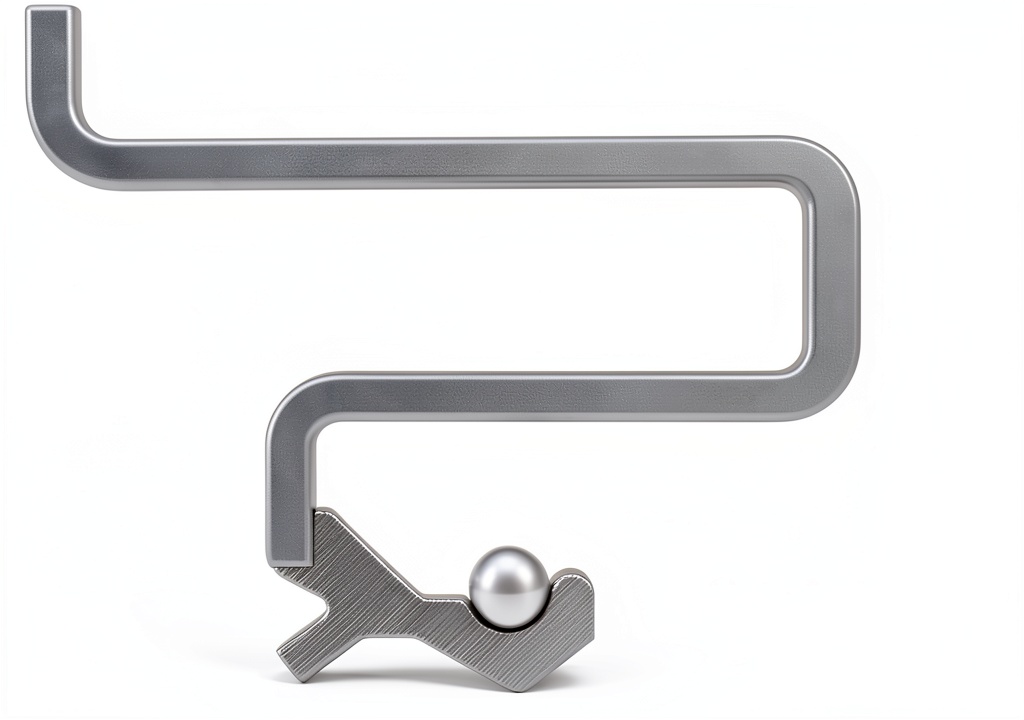
The seal’s design incorporates a spring‑loaded mechanism that automatically adjusts to shaft tolerances, eliminating the need for precise manual fitting and reducing the risk of installation errors. Its multi‑lip architecture provides multiple sealing points, which distributes pressure evenly and enhances resistance to wear, extending the service life of the repaired component. In addition, the nitrile base offers excellent resistance to oil, fuel, and coolant, protecting the seal from chemical degradation that commonly afflicts conventional rubber seals. This combination of material science and mechanical design positions the National Nitrile axle shaft seal as a versatile solution suitable for passenger cars, light trucks, and even performance vehicles that demand high‑temperature stability and reliable sealing under demanding operating conditions.
Installation of the National Nitrile axle shaft seal follows a straightforward three‑step process that can be completed with standard workshop tools. First, the shaft surface is cleaned thoroughly using a solvent or brake cleaner to remove any residual oil, grime, or old seal material, ensuring optimal adhesion. Second, the sealant is applied evenly to the shaft using a brush or syringe, taking care to coat the entire circumference and any mating surfaces that will contact the housing. Finally, the shaft is reassembled into the housing, allowing the spring‑loaded lips to expand and conform to the bore, creating an immediate seal that continues to cure over the next few minutes. The rapid set time of the nitrile compound means that the vehicle can be returned to service quickly, while the cured seal maintains its elasticity and resistance to wear for the expected service life of the component.
Extensive field testing has demonstrated the seal’s ability to maintain leak‑free operation for extended service intervals. In controlled durability trials, the seal withstood over 200,000 cycles of temperature fluctuation between –40 °F and 225 °F without loss of elasticity or seal integrity. Chemical resistance tests showed no degradation after exposure to 100 hours of continuous immersion in petroleum‑based oils and fuel blends, confirming the nitrile compound’s robustness. These results translate into real‑world confidence for mechanics who rely on consistent performance under the most demanding operating conditions.
To achieve optimal results, it is recommended to apply the seal in a well‑ventilated area and wear appropriate personal protective equipment, such as gloves and safety glasses. The liquid should be dispensed in a thin, continuous bead along the shaft, avoiding puddles that could lead to uneven thickness. After assembly, allow the component to sit for at least five minutes before re‑pressurizing the system, giving the seal sufficient time to set and conform to the housing geometry. Regular inspection of the sealed joint during routine service intervals can help detect early signs of wear, allowing timely replacement before a failure occurs.
![[Product front view showing all components]](https://www.gemgo.store/wp-content/uploads/2026/06/b9b2b16f39024964b17f343a35679768.jpg)
Usage
The National Nitrile axle shaft seal is ideally suited for a variety of maintenance scenarios where reliable sealing is critical. Whether performing routine axle shaft replacements, addressing leaks in differential housings, or refurbishing transmission input shafts, the seal’s adaptable design accommodates a range of shaft diameters and housing tolerances. Its ability to function effectively in temperatures as low as –40 °F makes it valuable for winter service operations, where cold‑weather brittleness can compromise traditional rubber seals. Conversely, the high‑temperature tolerance up to 225 °F ensures that the seal remains flexible and effective in high‑performance or heavy‑duty applications, such as off‑road vehicles and performance cars that generate elevated heat during extended operation. The liquid form allows technicians to apply the seal directly onto the shaft surface using a brush, syringe, or specialized dispenser, creating a uniform coating that fills microscopic imperfections and prevents ingress of contaminants.
In addition to standard automotive repair shops, the seal proves beneficial for fleet maintenance programs, where large numbers of vehicles require consistent and cost‑effective sealing solutions. Its low‑swell property minimizes the risk of excess material expanding and causing interference with moving parts, a common concern when using conventional rubber compounds. The product’s compatibility with a wide array of lubricants and fluids further simplifies inventory management, as the same seal can be employed across different vehicle makes and models without the need for multiple specialized variants. For hobbyists and enthusiasts who perform home garage projects, the clear instructions and straightforward application process reduce the learning curve, enabling confident execution of complex seal replacements without extensive training.
The liquid seal’s formulation is designed with environmental responsibility in mind, featuring a low‑VOC (volatile organic compound) profile that reduces emissions during application. This makes it suitable for use in indoor garage environments where ventilation standards must be met. Additionally, the small bottle size minimizes waste, as only the required amount is dispensed, and any excess can be safely stored for future touch‑ups. The seal’s durability also contributes to longer component life, decreasing the frequency of part replacements and thereby supporting sustainable maintenance practices. For operators who prioritize eco‑friendly solutions, the National Nitrile seal offers a balance of performance and reduced environmental impact.
One notable case involved a fleet of delivery vans that experienced recurring axle shaft leaks due to temperature‑induced seal shrinkage. After switching to the National Nitrile seal, the maintenance team reported a 70 % reduction in leak incidents over a six‑month period, attributing the improvement to the seal’s low‑temperature capability and stable material properties. The reduced downtime not only lowered repair costs but also improved vehicle availability, illustrating the tangible benefits of selecting a high‑quality sealing solution for high‑volume operations.
As vehicle powertrains evolve toward electrification and higher torque outputs, the demands on sealing components increase. The National Nitrile seal’s ability to tolerate high temperatures and resist chemical attack positions it well for emerging applications such as electric vehicle drivetrain shafts and hybrid system components. Its compatibility with advanced synthetic lubricants ensures that it will remain effective as manufacturers adopt new fluid formulations designed to improve efficiency and reduce emissions. By adopting a forward‑looking sealing solution today, service providers can future‑proof their inventory against upcoming technological shifts.
Why Choose Us
Choosing National’s Nitrile axle shaft seal means selecting a product backed by decades of expertise in automotive sealing technologies. The brand’s commitment to quality is evident in the rigorous testing protocols applied to each batch, which include temperature cycling, chemical resistance, and durability assessments to verify that the seal meets or exceeds industry expectations. Customers benefit from a consistent formulation that delivers predictable performance, reducing the variability often encountered with generic, unbranded alternatives. National also provides comprehensive technical support, offering guidance on proper application techniques, troubleshooting common sealing issues, and recommending complementary products that enhance overall repair outcomes.
Beyond the core product, National offers a warranty program that underscores confidence in the seal’s longevity. Should a seal fail prematurely under normal operating conditions, the company will evaluate the case and, when appropriate, provide replacement or credit, reinforcing the brand’s dedication to customer satisfaction. The company’s extensive distribution network ensures that the seal is readily available through major automotive parts distributors, online marketplaces, and authorized dealers, minimizing lead times and facilitating rapid procurement for urgent repair jobs. By integrating this seal into your service repertoire, you gain a reliable, high‑performance component that supports efficient workflow, reduces re‑work, and ultimately contributes to higher service quality and customer trust.
National’s manufacturing processes adhere to ISO‑9001 quality management standards and incorporate environmentally conscious practices, such as waste reduction and responsible sourcing of raw materials. The nitrile polymer used in the seal is derived from petroleum‑based feedstock, but the production cycle is optimized to lower energy consumption and emissions. By selecting this seal, customers not only receive a high‑performance product but also support a supplier that is committed to continuous improvement and compliance with global sustainability initiatives. This alignment with green principles resonates with automotive service providers who are increasingly seeking parts that meet both performance and environmental criteria.
National’s products are certified to meet or exceed SAE standards for automotive sealing components, and the axle shaft seal carries compliance markings for ASTM D2000 and ISO‑14001 environmental management. The company maintains a rigorous audit schedule with third‑party laboratories to verify material composition, performance metrics, and safety data sheets. Customers can request detailed test reports and certification documents to satisfy internal quality assurance processes, ensuring that the seal integrates seamlessly into regulated manufacturing and service environments.
Key Features
- Spring‑loaded multi‑lip design automatically adjusts to shaft tolerances, delivering a tight seal without the need for precise manual fitting.
- Nitrile rubber formulation resists oil, fuel, and coolant, providing long‑lasting protection against chemical degradation in harsh automotive environments.
- Wide operating temperature range from –40 °F to 225 °F ensures reliable performance in both cold‑weather and high‑heat applications.
- Low‑swell, low‑viscosity liquid allows easy application and quick curing, reducing vehicle downtime and minimizing the risk of excess material buildup.
- National offers dedicated technical support and a warranty program, giving customers confidence and assistance throughout the product’s lifecycle.
FAQ
Can the seal be used on both front and rear axle shafts?
Yes, the National Nitrile seal is formulated to work on a variety of axle shaft locations. Its spring‑loaded, multi‑lip design conforms to the bore shape of both front‑wheel and rear‑wheel assemblies, providing a reliable seal regardless of the specific vehicle architecture. As long as the shaft diameter falls within the recommended range and the housing is clean, the same product can be applied to either position without compromising performance. The seal’s flexible lip configuration also accommodates minor variations in shaft diameter, further simplifying installation across different vehicle models.
What preparation is required before applying the Nitrile seal?
Before applying the seal, clean the shaft surface thoroughly to remove oil, grease, old seal residue, and any contaminants. Use a solvent such as brake cleaner or a dedicated parts cleaner, and wipe the area with a lint‑free cloth. Allow the surface to dry completely. After cleaning, a light coating of the sealant can be applied to the shaft before the main application to promote adhesion, especially on surfaces that are highly polished. Proper preparation ensures optimal adhesion and maximizes the seal’s ability to expand and fill gaps.
How long does it take for the seal to cure and become fully effective?
The liquid nitrile compound begins to set within a few minutes after application, creating an initial seal that holds under normal operating pressures. Full cure is typically achieved after 30 minutes at ambient temperature, though the exact time can vary with ambient conditions. For best results, allow the seal to cure for at least one hour before subjecting the component to high loads or extreme temperatures. If the vehicle is operated immediately after installation, monitor for any signs of leakage and re‑apply a small amount if necessary. The seal’s self‑healing properties help to close minor gaps that may appear during the initial break‑in period.
Is the seal compatible with synthetic lubricants and transmission fluids?
The nitrile formulation is highly resistant to a wide range of automotive fluids, including synthetic oils, transmission fluids, gear lubricants, and coolant mixtures. Its low‑swell property prevents the seal from expanding excessively when exposed to these chemicals, maintaining a consistent sealing interface. This compatibility makes the product suitable for modern vehicles that often use synthetic lubricants in their powertrain systems. Even in high‑pressure transmission circuits, the seal maintains its shape and does not extrude, ensuring that the fluid remains contained and the surrounding components are protected from contamination.
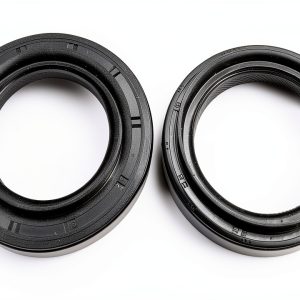 YCUPONE Differential Carrier Front Seal for Toyota Axle Shaft
 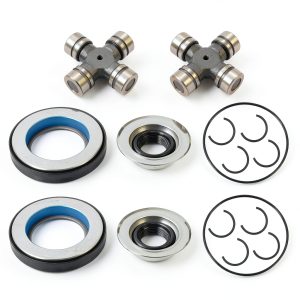 RALZAOTO Front Axle Seal & Greaseable U Joint Kit for Ford F250/F350
 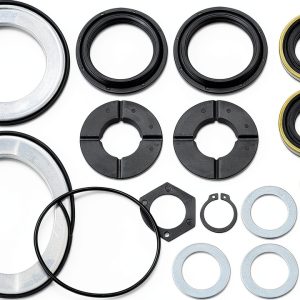 Axle Shaft Seal Kit WnSEu Steel Rubber Design
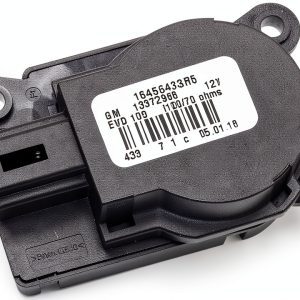
 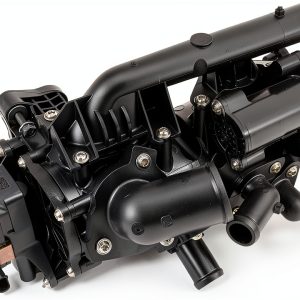 GM Genuine Parts Thermal Air Temperature Control Valve
 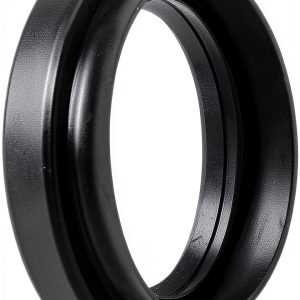 Drive Axle Shaft Oil Seal Front Right Differential Carrier Seal for Toyota Highlander 2001-2019 for Toyota RAV4 2006-2018 No.9031140029
Reviews
There are no reviews yet.